Single Malt vs Blended Scotch:
Understanding the Difference

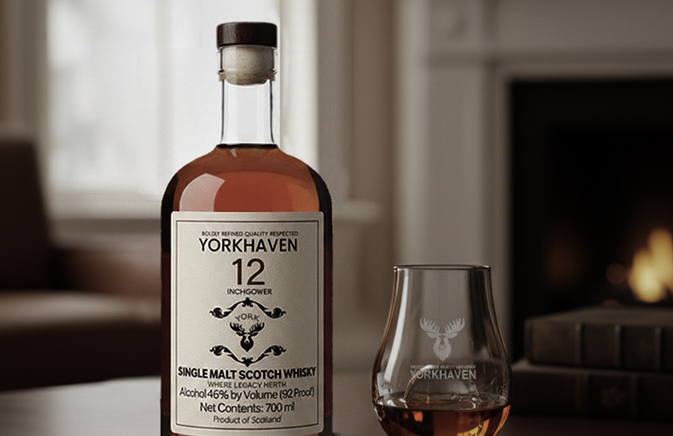
SINGLE MALT SCOTCH WHISKY
Introduction
Few topics in Scotch whisky generate as much confusion as the distinction between single malt Scotch and blended Scotch. Both categories play a significant role in the whisky world, yet they serve different purposes and appeal to different audiences.
Understanding the difference between single malt and blended Scotch is essential for anyone interested in premium Scotch whisky, luxury Scotch whisky, or collectible Scotch releases. The distinction is less about superiority and more about intention, production, and style.
What Is Single Malt Scotch?
Single malt Scotch whisky is produced at a single distillery using malted barley as its sole grain ingredient. Despite the name, “single” does not mean the whisky comes from a single cask, it refers to a single distillery.
Single malt Scotch is typically distilled in pot stills and matured in oak casks for a minimum of three years, though premium Scotch whisky is often aged far longer.
Single malts are known for expressing:
- Distillery character
- Regional influence
- Cask-driven nuance
Because of this transparency, single malt Scotch is often favored by enthusiasts and collectors seeking depth and individuality.
What Is Blended Scotch?
Blended Scotch whisky is a combination of malt whisky and grain whisky from multiple distilleries. The goal of blending is consistency and balance rather than highlighting the character of a single distillery.
Blended Scotch represents most of the Scotch whisky sold worldwide and plays a vital role in the industry. Many blends are crafted to deliver approachable flavor profiles suitable for broad audiences.
While blends are sometimes perceived as less premium, this is not inherently true. Quality depends on the components used and the intent behind the blend.
Key Differences in Production
The primary differences between single malt and blended Scotch lie in production philosophy:
- Single malt Scotch emphasizes origin, character, and cask influence.
- Blended Scotch emphasizes balance, consistency, and accessibility.
Premium Scotch whisky in either category requires skilled selection, careful maturation, and thoughtful presentation. However, single malts more clearly reveal production choices, making them especially appealing to collectors.
Flavor and Complexity
Single malt Scotch often offers a wider range of flavors influenced by distillation style, cask selection, and maturation environment. This variation is one reason single malts are frequently associated with luxury Scotch whisky and limited release Scotch expressions.
Blended Scotch typically aims for harmony rather than distinction. The blending process smooths extremes and creates a consistent profile from batch to batch.
Neither approach is inherently better, each serves a different purpose.
Collectability and Limited Releases
Collectible Scotch whisky is most often associated with single malt releases, particularly those produced in limited quantities. Transparency around cask type, age, and maturation enhances long-term interest and value.
Limited release Scotch expressions benefit from the individuality single malts provide. For collectors, these attributes add context and narrative to each bottle.
That said, some blended Scotch whiskies, especially historic or discontinued expressions, also hold significant collectible value.
Choosing Between Single Malt and Blended Scotch
The choice between single malt and blended Scotch ultimately depends on what the drinker values:
- Those seeking complexity, individuality, and depth often gravitate toward single malt Scotch.
- Those seeking balance, consistency, and approachability may prefer blended Scotch.
For premium Scotch whisky enthusiasts, understanding these differences allows for more informed appreciation rather than rigid preference.
Why Distinction Matters
Understanding the difference between single malt and blended Scotch deepens appreciation for Scotch whisky as a whole. Each category reflects a different philosophy, shaped by tradition, craft, and intent.
Luxury Scotch whisky is defined not by category alone, but by the care and discipline behind its creation.
Closing Thought
Single malt and blended Scotch whiskies each contribute to the richness of the Scotch whisky landscape. Recognizing their differences enhances understanding, enjoyment, and the ability to evaluate quality beyond labels.
For collectors and enthusiasts alike, knowledge remains one of the most valuable elements of the Scotch whisky experience.
Author
Kyle Cavelier
CEO York Haven Scotch Whisky
Latest Posts